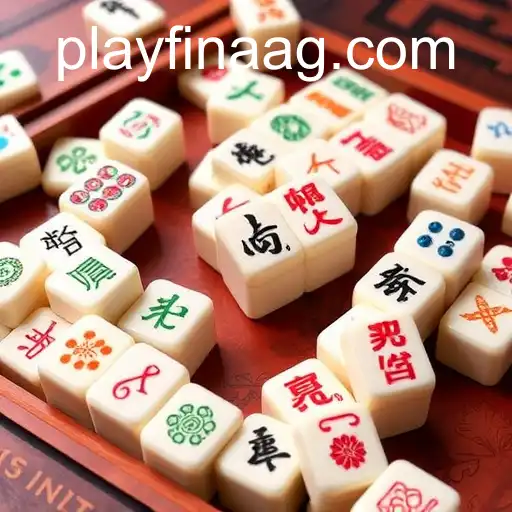
The Intricacies of Mahjong: A Timeless Game
Mahjong, a game steeped in tradition and culture, has captured the hearts of millions across Asia and beyond. Originating from China during the Qing dynasty, this tile-based game of skill, strategy, and a bit of luck, is as engaging today as it was centuries ago. With the digital age allowing for global connectivity, online platforms like kb.bet are offering new avenues to explore this classic pastime in innovative ways.
Understanding Mahjong: An Overview
Mahjong is a game traditionally played with four players, though variations do exist. The aim is to build sets of tiles that match specific winning hands, similar to card games like Rummy. The game uses a set of 144 tiles based on Chinese characters and symbols, including suits such as Bamboos, Characters, and Dots, alongside Honor tiles and Bonus tiles. Each player begins with 13 tiles, drawing and discarding in turns to complete a legal hand.
The Anatomy of Mahjong Tiles
The tiles are the heart of the game. They come in three suits: Bamboos, Characters, and Dots, each ranging from one to nine. Honor tiles are divided into Winds and Dragons, while Bonus tiles include Flowers and Seasons. Knowing these tiles and their combinations is crucial to mastering the game.
The Suits
The suit tiles are used to create runs and sets. They must be understood both individually and as part of broader strategies. For instance, consecutive numbers in the same suit form "Chows," while sets of three identical tiles form "Pungs" and four identical tiles form "Kongs."
Honor and Bonus Tiles
Honor tiles offer unique opportunities to score high. The Winds (East, South, West, North) and Dragons (Red, Green, White) can form scoring combinations but cannot form runs. Meanwhile, Bonus tiles simply provide extra points and are often used to break ties.
The Rules and Game Play
The game begins by shuffling the tiles and arranging them in a square, called the "Wall." Players draw and discard tiles in turns, with the goal of forming a "Mahjong" hand, which usually consists of four sets and a pair. Strategy involves deciding which tiles to keep and which to discard – a skill that involves both calculation and intuition.
Winning the Game
Winning conditions can vary depending on the version of Mahjong being played, which can be traditional Cantonese, Hong Kong, or other versions played globally. However, the essence remains constructing a legally recognized hand. A player declares "Hu" (Win) when they complete their hand, after which points are calculated based on the hand's complexity.
Scoring Systems
Scoring in Mahjong can be intricate, with points awarded for specific tile combinations and bonuses. Some systems, like the Japanese Riichi Mahjong, utilize a detailed point strategy that incorporates declaring "Riichi," or reaching an apparent winning hand, which itself requires strategic foresight. Such complexity adds layers of depth to the game.
Variants Across Regions
One of Mahjong’s most interesting aspects is its regional variations. Each variant adds unique rules and tiles, providing distinct flavors to the gameplay. The Japanese variant, for example, incorporates Riichi, a declaration allowing for strategic advantage, while the American version involves "Jokers" and requires a special card for game rules. This diversity highlights Mahjong's adaptability and global appeal.
Strategic Elements of Mahjong
Beyond luck and knowledge, Mahjong is a game of strategy. Players must evaluate risk, anticipate opponents’ moves, and leverage every draw and discard. Reading opponents becomes essential, as understanding what they discard can signal their game strategy, allowing for tactical responses. Thus, Mahjong is as much about insight as it is about the luck of the draw.
Mahjong in the Digital Age
With the rise of online gaming, platforms like kb.bet have revolutionized how Mahjong is played. Online versions offer the chance to engage with players worldwide, providing new competitions and tournaments that bring a renewed vigor to this ancient game. Moreover, online platforms allow beginners to learn at their own pace, with tutorials and practice games.
Learning Opportunities
Online Mahjong offers endless resources for learning and practice. New players can engage in tutorial sessions, watching games and accessing detailed guides to improve their skills. Meanwhile, multiplayer games deliver instant connections with a global community, offering insights into different strategies and styles.
Community and Connectivity
The online space has created a vibrant community of Mahjong enthusiasts. Platforms like kb.bet, for instance, offer forums and discussions that deepen one's understanding of the game. As a social game, Mahjong thrives on these connections, bringing people together even when physical distance is a barrier.
The Cultural Impact and Legacy of Mahjong
Mahjong holds a significant cultural place in many Asian societies. It is often played at family gatherings, festivals, and as a leisurely activity among friends. The game transcends generations, fostering community bonds and teaching valuable lessons in patience, strategy, and foresight. Its cultural significance has even crossed into Western society, evident in its portrayal in films and literature.
The essence of Mahjong's lasting appeal lies in its complex blend of chance, strategy, and community. While it remains rooted in tradition, modern adaptations and online platforms like kb.bet ensure that Mahjong continues to evolve, maintaining its status as a beloved game across the globe.